
Archivos
-

Educación y virtualidad
Vol. 1 Núm. 1 (2023)En este primer número de la Revista Ciencias y Artes se manifiesta una relación importante que en los últimos años se ha ido acentuando, aquella entre la educación y el mundo virtual. No solo ha sido un proceso iniciado en la trágica pandemia que vivió el mundo desde el 2020 durante dos largos años sino que dicha relación comenzó tímidamente ya hace varios años atrás. Hoy es imposible pensar ya la educación sin el componente virtual, no solo para las clases ayudadas con componentes pedagógicos como las TIC sino que, además, la misma interacción de aprendizaje encuentra en la virtualidad un camino importante y ahora necesario.
-

Aspectos de humanidad: comunicación, arte y bioética
Vol. 1 Núm. 2 (2023)Este segundo número de RCA concentra algunos de los principales aspectos de la humanidad y trata de integrar sus diferentes connotaciones con la educación para una política en torno a la felicidad. De esa manera introducir al lector a perspectivas de humanidad y a los problemas que la aquejan desde varios puntos. La reflexión en torno a lo que significa ser humano y convivir en una sociedad es importante y necesario hoy en día. Uno de los mayores intereses de la Universidad de Ciencias y Artes de América Latina consiste en acercar la producción académica hacia nuevas formas de vida que sean afines a una cultura de bienestar y desarrollo. Y desde un profundo respeto por la naturaleza.
Esta segunda publicación, surge con la intención de sugerir y concientizar no solo a la académica sino a cualquiera que se aproxime a sus artículos hacia una mejor comunicación, respeto y tolerancia. No sin tomar en cuenta cada vez más se las crisis en las que nos encontramos en la actualidad. Y desde ahí, pensar soluciones cada vez más humanas, cada vez más empáticas y comprensivas por el bien de nuestro planeta y de los que lo habitamos.
-
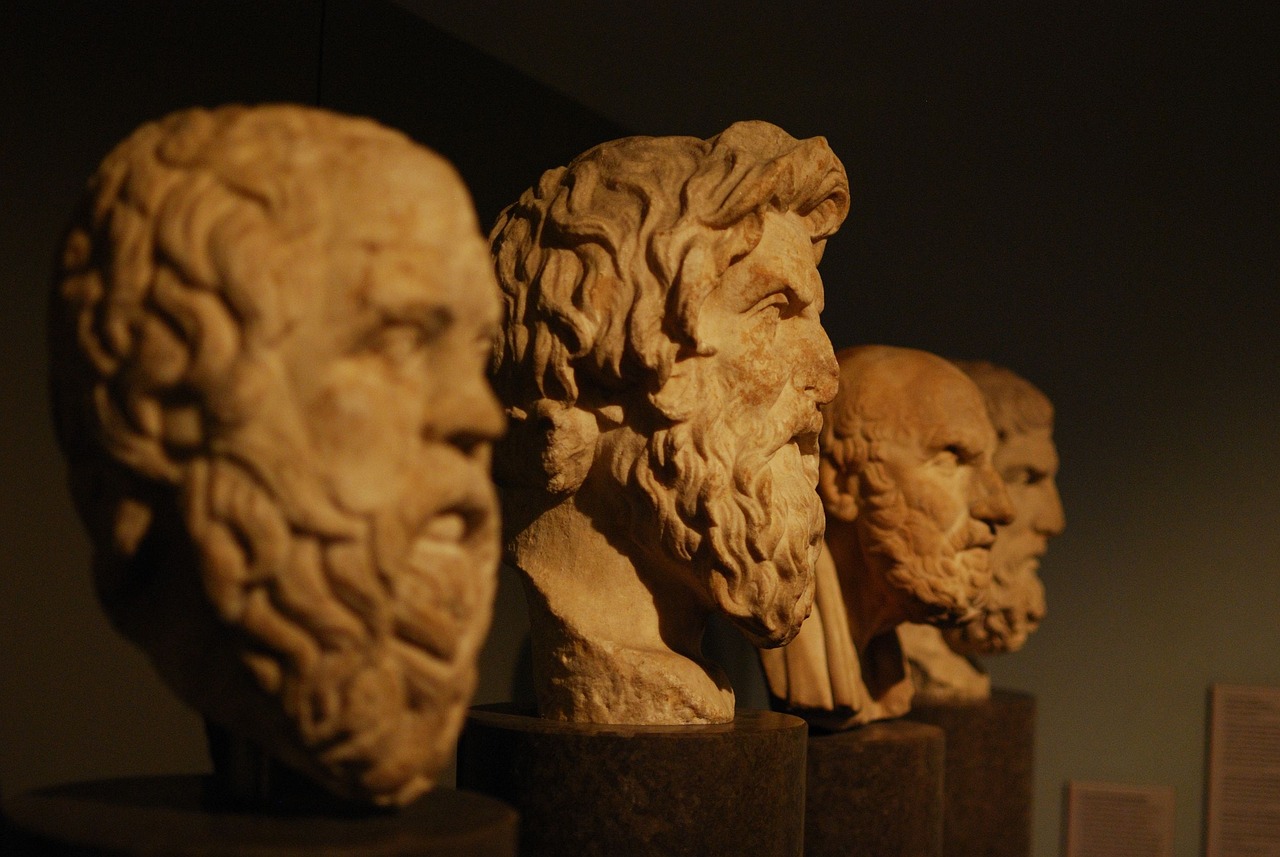
La Filosofía y Aristóteles: sobre el pensamiento y la virtud
Vol. 1 Núm. 3 (2023)Este número está dedicado al pensamiento vivo de la filosofía, el cual siempre despierto cuestiona donde nadie más lo hace y exige lucidez cuando hay solo oscuridad. Y para ejemplificar el pensar filosófico se ha invitado a Aristóteles a que nos ilustre sobre los asuntos de la ética y la virtud, pues qué otras cosas serían mejores. Así, la presente publicación nos muestra qué tiene que decir la filosofía y Aristóteles sobre las diversas cuestiones del obrar humano en la ciudad. De tal forma que, incluso, el decir de la filosofía es el decir de Aristóteles, pues son finalmente lo mismo.
-

Inteligencia artificial, medios de comunicación y marketing
Vol. 1 Núm. 4 (2023)Nuevas interrogantes surgen a partir de la existencia y uso de la nueva tecnología conocida como inteligencia artificial. Y aunque el nombre no es del todo certero, pues el término inteligencia supera seguramente muchas de sus definiciones, es un concepto que revela de manera aproximada las funciones lógicas de la mente con una potencia de cálculo inmensamente superior. Uno de los problemas que surge es el de la comunicación, donde se muestra una serie de expresiones a partir de la inteligencia artificial que pueden confundirse como humanas. Asimismo, el problema de la veracidad de la información, así como el problema del control, suponen nuevos escenarios a los que la humanidad se enfrenta y de los que ya no es posible salir, pues cada vez más la tecnología se incorpora como si fuera algo natural que siempre estuvo, tanto por sus beneficios como por sus ventajas.
En el presente número se exploran las diversas formas de expresión en los medios digitales ayudadas por la nueva tecnología de la inteligencia artificial. Ésta, con su llegada, pone de relieve interesantes propuestas de innovación y creatividad. Asimismo, las nuevas expresiones de los medios de comunicación hacen posible una nueva forma de conexión y de coexistencia. Dichas expresiones van de acuerdo a un mundo que entiende lo virtual como lago casi natural. Aquí se inserta entonces la inteligencia artificial como un nuevo componente destinado a quedarse y a realizar una expansión en el desarrollo de las disciplinas como el marketing y la publicidad, las cuales se estudian más de cerca en este número.
-
El futuro desde la transdisciplinariedad, sostenibilidad e inclusión
Vol. 2 Núm. 1 (2024)La Universidad de Ciencias y Artes de América Latina (UCAL), desde el Centro de Investigación de la Creatividad (CIC), en el proceso de consolidar una cultura científica vanguardista, planteó el Congreso Internacional de Investigación e Innovación (CINIIN) en su primera edición. que se llevó a cabo los días 21 de octubre, 26 y 27 de Octubre del 2023. La temática central del congreso fue: El futuro desde la transdisciplinariedad, sostenibilidad e inclusión.
El presente número propone mostrar algunos de los mejores trabajos que se expusieron en el congreso. Con el objetivo de generar conocimiento en las disciplinas con una mirada prospectiva y una aproximación epistemológica desde la complejidad, la vanguardia y la transdisciplinariedad en busca de soluciones creativas a problemas teóricos y prácticos en un enfoque sostenible, integrador e inclusivo. La realización de esta primera edición CINIIN 2023 contó con el apoyo académico de importantes centros de educación superior de varios países latinoamericanos como lo son: la Escuela Superior Toulouse Lautrec, El Instituto superior CERTUS (ambos de Perú), el Instituto Superior Tecnológico Universitario ISMAC (Ecuador), el Grupo de Investigación Organizações Governo e Sociedade (OGS) de la Universidade Estadual de Mato Grosso do Sul (UEMS) (Brasil) y el Grupo VISIVA (Perú).
-

Un nuevo mundo moldeado por el marketing y las comunicaciones
Vol. 2 Núm. 2 (2024)Las nuevas tecnologías y las comunicaciones han trasnformado al mundo. Es así que en la actualidad, en la necesidad de diversificar y de proponer nuevas tendencias en el mercado, el marketing ha encontrado un desarrollo importante y sus nuevas visiones han revolucionado las formas con que se ve la publicidad. Sin embargo, ante este cambio en la generaci´ón de estrategias de marketing se añade un nuevo factor y es la nueva exigencia ecológica y humanista que aparece como un modo de entender la vida y su aproxiamción hacia una sociedad mejor estructurada y balanceada, consciente de que no es solo importante lo productivo o mercantil sino también el hecho de poder convivir en armonía y sostenibilidad.
En este segundo número se presentan artículos interesantes que se atreven a poner en discusión la problemática de los nuevos retos ante los cambios de las nuevas comunicaciones y en general de la industria. Así, se verá el problema sobre las viviendas sostenibles que permitan afrontar el friaje en las zonas altoandinas, la evolución histórica de la arquitectura, la participación de los influencers en las campañas pulbicitarias en Latinoamérica, el green marketing en la industria de moda en Latinoamérica. Asímismo, un estudio sobre Trade Marketing en Consumo Masivo en Latinoamérica Pospandemia, el Neuromarketing en el sector retail 2017-2013 y el Marketing omnicanal en el sector retail en LATAM 2020-2024.
Se espera que estos estudios puedan realizar un incentivo en la academia de ocuparse de estos temas relevantes e importantes en la sociedad actual.
-

Marketing: percepción y emoción
Vol. 2 Núm. 3 (2024)Las emociones y las percepciones son fundamentales no solo para el marketing sino para la vida misma. Uno siempre está en contacto con percepciones y emociones que debe manejar y con las cuales debe vivir. Desde la salud mental hasta las relaciones comerciales e interpresonales, la percepción y la emoción juegan un papel crucial. Así, aparece un conflicto entre lo que se percibe y lo que se siente, lo cual debe ser entendido, comprendido y reflexionado. Por el lado del marketing, es importante comprender la emoción y la percepción para lograr los objetivos no solo de efectividad sino también de bienestar que todo producto debería suponer y perseguir.
En este número, se estudian las posibles formas de abordar el marketing en nuestros tiempos junto con la comprensión adecuada de la percepción y la emoción. Por ello, se reflexionará sobre las consecuencias de la tecnología en el marketing digital y en las emociones que inspira.
-

Diseño, tecnología y educación
Vol. 2 Núm. 4 (2024)El presente número corresponde a una serie de temas interrelacionados con respecto a la gran tecnologización del mundo actual. Es importante ver cómo el diseño, el marketing, los negocios, la educación, la identidad de marca, y la nutrición están conectados. Por ello se presentan los artículos: "Diseño e implementación de modelos de negocios circulares en el Perú", "Google Keep como estrategia de aprendizaje en la formación de futuros docentes de preescolar", "“CIEGNEST”: Dispositivo sensorizado para la discapacidad visual y su impacto en proyectos universitarios", "La construcción de contenidos educativos digitales para redes sociales en la "Educación superior", "Identidad de marca y actitud de compra en el sector retail en Latinoamérica", "La personalización de UX mediante IA en el marketing digital en Latinoamérica", "La influencia del diseño gráfico en la creación de personajes animados publicitarios", "Implicaciones del desperdicio del suero de leche en la región sierra del Ecuador". Asimismo, se han incluido los mejores artículos del II Congreso Internacional de Investigación UCAL y algunas revisiones de literatura.
El número espera encontrar un tratamiento adecuado a los nuevos problemas relacionados con las demandas actuales de la tecnología y la educación.
-
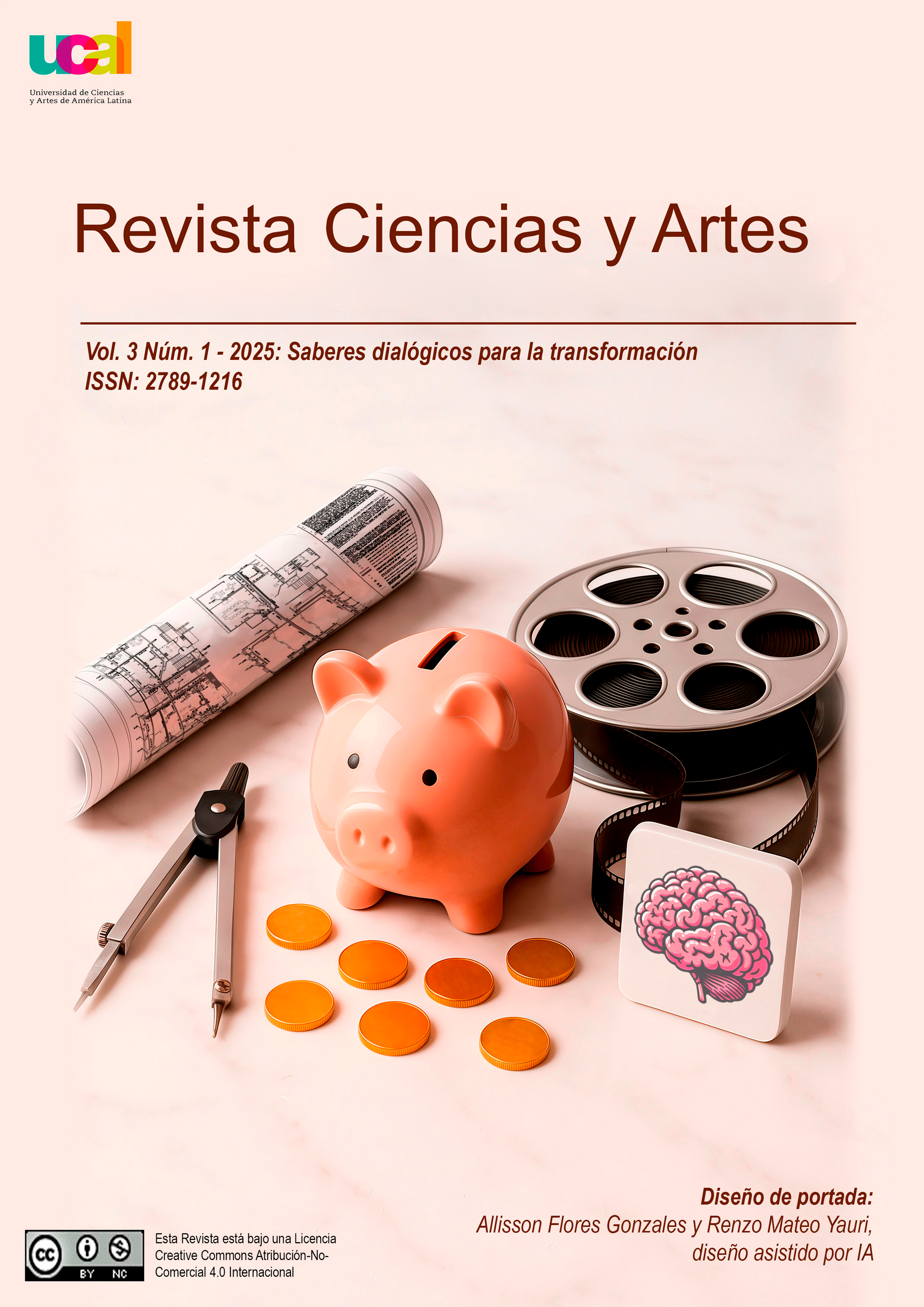
Saberes dialógicos para la transformación.
Vol. 3 Núm. 1 (2025)Este número es la concreción de los saberes dialógicos como enfoque para la transformación del conocimiento en una experiencia colaborativa, marcada por la diversidad de perspectivas propias de las ciencias sociales, que apuntan a un objetivo común: el compromiso con la pertinencia y la calidad investigativa. En este sentido, el presente número reúne contribuciones que abordan desafíos actuales en los campos de la arquitectura, la psicología, la gestión organizacional, la educación y el cine como epicentro de los estudios culturales.
En primer lugar, desde la arquitectura, se propone la aplicación del diseño como herramienta estratégica para la gestión de proyectos comerciales, resaltando la articulación entre estética, funcionalidad y rentabilidad en contextos de alta competitividad.
Seguidamente, desde la psicología, se presenta un análisis estadístico descriptivo y predictivo sobre los intentos de suicidio en Colombia, complementado con la identificación de ideas suicidas expresadas en redes sociales mediante modelos de aprendizaje profundo. Esta contribución representa un importante esfuerzo interdisciplinario entre salud mental y tecnologías emergentes. En el ámbito de la gestión, se introduce el modelo GEMSES como propuesta para la automatización organizacional, lo cual permite repensar los procesos clave desde una perspectiva orientada a la eficiencia y la adaptación tecnológica.
Posteriormente, en el campo educativo, se examina la relación entre la comprensión lectora criterial y el desarrollo del pensamiento crítico, destacando la relevancia de estas habilidades cognitivas en la formación profesional de alta calidad; y como cierre de este selecto número, se analiza el rol del cine en la configuración de memorias decoloniales en América Latina, a través del estudio de la película La teta asustada (2009), evidenciando el poder de las narrativas audiovisuales en la construcción simbólica de la memoria histórica.
De este modo, desde diversos enfoques, este número evidencia cómo el conocimiento se construye cuando se pone en diálogo con problemas reales, necesidades sociales y los desafíos contemporáneos.
-
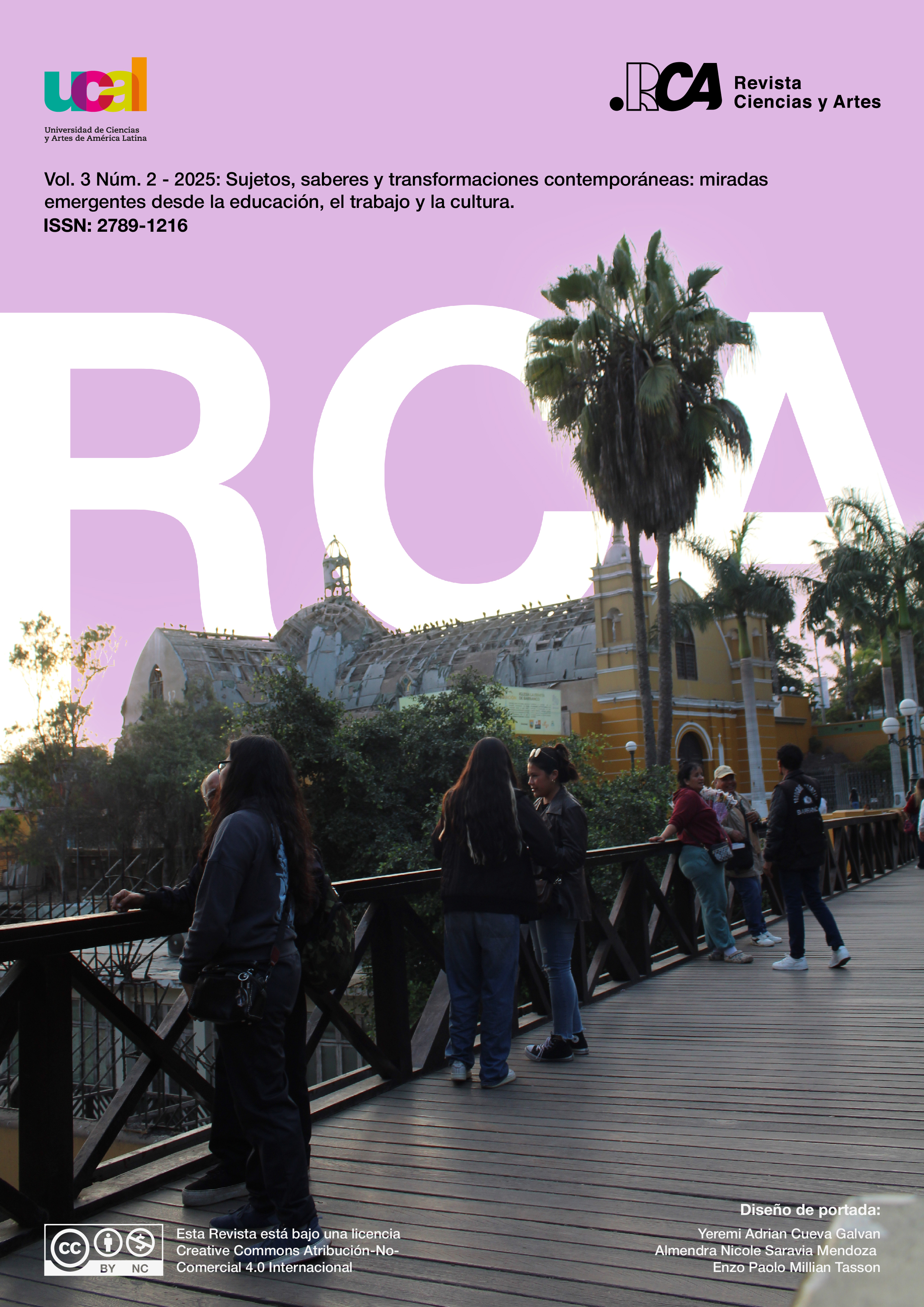
Sujetos, saberes y transformaciones contemporáneas: miradas emergentes desde la educación, el trabajo y la cultura
Vol. 3 Núm. 2 (2025)El número que presentamos reúne investigaciones y ensayos que dialogan con los desafíos contemporáneos en los campos de la educación, la cultura digital, las prácticas artísticas y las transformaciones sociales latinoamericanas. A través de enfoques interdisciplinarios, los trabajos aquí incluidos muestran cómo los procesos pedagógicos, tecnológicos y culturales se entrecruzan con las dinámicas políticas y afectivas que moldean nuestras sociedades.
El bloque de artículos de investigación abre con Gestión del talento humano y satisfacción laboral en docentes de educación secundaria en instituciones privadas peruanas, un estudio que analiza variables clave en el clima laboral y propone orientaciones para fortalecer el bienestar docente. Este eje educativo se profundiza con Design thinking como herramienta pedagógica en educación superior: una revisión sistemática de literatura y La importancia de la metodología investigación-acción en la intervención pedagógica: enseñanza superior en contextos sociodigitales, dos contribuciones que revisan herramientas contemporáneas para la innovación y la transformación en entornos universitarios.
En diálogo con las discusiones culturales y políticas actuales, “La escuela me refugió”: prácticas artísticas, pedagogías queer y luchas por el reconocimiento trans en tiempos de pánico moral examina las tensiones éticas y educativas que atraviesan las experiencias trans en contextos de creciente reacción conservadora. Estos cruces entre corporalidad, subjetividad y espacios institucionales se amplían en Intimidades éxtimas: cuerpo y emociones de mujeres migrantes venezolanas en espacios virtuales de atención psicosocial, artículo que explora la relación entre migración, afectividad y tecnologías digitales. Cerrando este conjunto, Análisis bibliométrico del heurístico de la disponibilidad en las finanzas conductuales y el mercado de valores (1992–2025) ofrece una mirada cuantitativa y sistemática sobre la evolución de un concepto clave en el estudio de la toma de decisiones económicas.
La sección de ensayos argumentativos presenta dos textos que abordan, desde perspectivas críticas, desafíos pedagógicos y estéticos de gran relevancia. Características clave en programas educativos para la autonomía e inclusión laboral de jóvenes con Síndrome de Down en Venezuela reflexiona sobre los elementos que permiten construir propuestas educativas más inclusivas y transformadoras. Por su parte, El yanapuma en las pinturas de Harry Pinedo: guardianía espiritual, estética visionaria y resistencia ecológica examina la obra de este artista shipibo-konibo para pensar la relación entre arte amazónico, espiritualidad y defensa del territorio.
Finalmente, la sección de reseñas incluye el texto Reseña de “Once Upon a Time in Hollywood” de Quentin Tarantino: Hollywood y la sociedad del espectáculo en el que no solo se resume el argumento de la película, sino que también se hace un breve análisis del ejercicio de construcción de personajes en el cine mainstream contemporáneo.
En conjunto, los trabajos reunidos en este número ofrecen un panorama diverso y riguroso de los debates actuales, contribuyendo a la comprensión crítica de las prácticas educativas, culturales y sociales en América Latina. Esperamos que estas investigaciones y reflexiones nutran nuevas discusiones y abran caminos para futuros trabajos interdisciplinarios.


